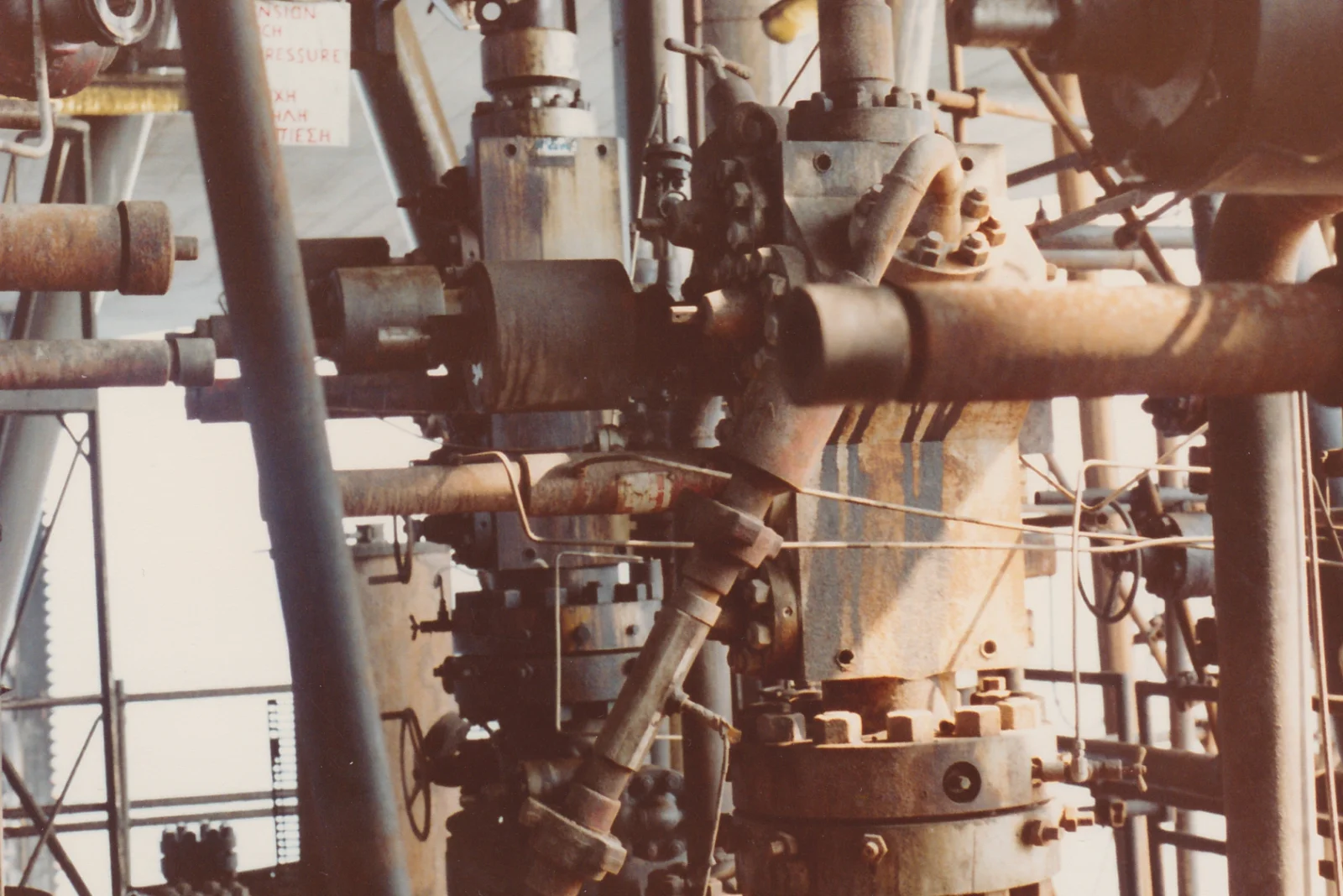
A wellhead platform (WHP) carries wells and not much else: the trees, a manifold, some basic metering, often nothing more. Whatever comes up goes straight down a flowline to a central facility that does the actual processing. Most WHPs are normally unmanned, which is the whole point and also the whole safety problem. There is nobody on deck to close a valve, investigate an alarm, or fight a fire. Everything runs on remote emergency shutdown and telemetry from a control room that may be tens of kilometers away or onshore.
That pushes the burden onto the instrumented protective functions and onto fail-safe design. On loss of power, loss of communications, or loss of hydraulic supply, the wells shut themselves in rather than waiting for a decision.
Functional safety relevance: Yes, and more so than on a manned platform, because there is no operator standing by to act as a protection layer. The wellhead shutdown functions carry the whole load.
Key Points
- Wells, trees, and manifold only. Separation, compression, and treatment happen at the host facility.
- Normally unmanned, so the safety case rests on remote shutdown, telemetry, and fail-safe behaviour rather than on operator intervention.
- Surface and subsurface safety valves are the last line, designed to close on loss of the hydraulic or electrical supply that holds them open.
Example
A six-well platform sits 30 km from its host, with no accommodation, visited by helicopter every few weeks for proof testing and maintenance. A confirmed gas detection or a low flowline pressure trips the platform shutdown, closing the wing valves and the subsurface safety valves. Nobody is on board, and no manual action is involved.
See Also: CPF, NURF, subsea tieback
Cited Sources
- API RP 14C, Analysis, Design, Installation, and Testing of Safety Systems for Offshore Production Facilities
- Bureau of Safety and Environmental Enforcement (BSEE)