
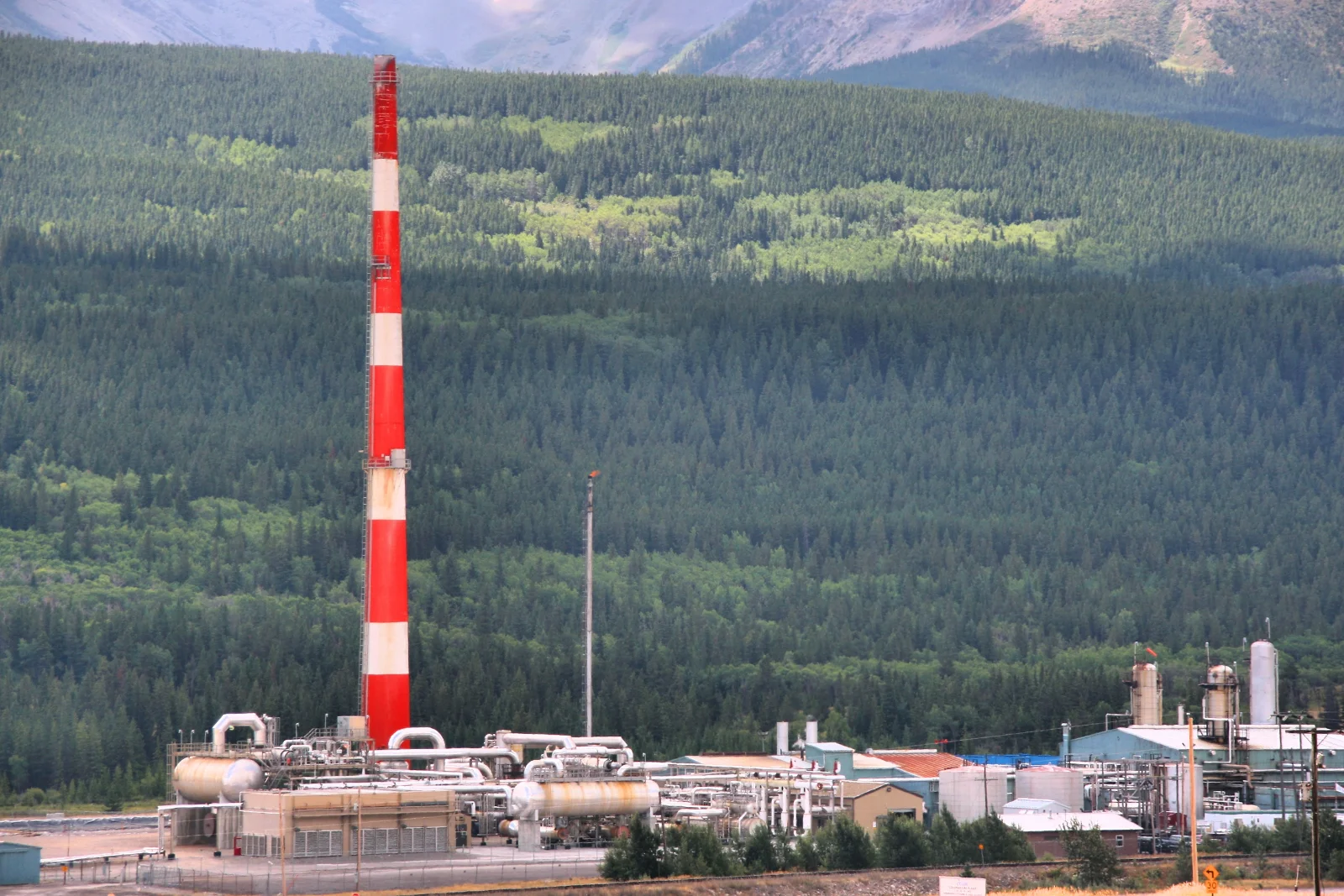
An onshore gas processing plant takes raw gas from a gathering system and turns it into pipeline-quality gas plus saleable liquids. It strips the acid gases, dries the stream, then chills it deeply enough to knock out ethane, propane, butane, and heavier components as natural gas liquids. This is the onshore counterpart to what an FPU does offshore, with the constraints reversed. There is no weight limit and no deck-space limit, there are people on site, and there are usually neighbours. So the trains run larger, colder, and more complex than anything a floating facility would carry, and a good share of the instrumented protection is aimed at problems a marine facility never has, such as managing flare and relief loads across a large integrated site.
Functional safety relevance: Yes, and this is where IEC 61511 gets applied most conventionally. In the US, OSHA process safety management and the EPA risk management program are what make it the recognised practice for a plant of this kind.
Key Points
- Removes acid gas, dehydrates the stream, and fractionates the heavier components into natural gas liquids before residue gas goes to pipeline.
- Amine treating, dehydration, and cryogenic sections each bring their own protective functions, and the cold end adds low-temperature embrittlement to the usual overpressure concerns.
- Flare and relief load management across the whole site is a design problem that floating facilities largely avoid.
Example
A cryogenic plant takes 200 million standard cubic feet a day of raw gas. Amine units strip the acid gas, molecular sieve beds dry it, and a turboexpander chills it to drop the liquids out. A high-high level in the amine contactor trips the inlet and diverts flow, because carrying liquid amine forward ruins the dehydration beds and can pass a slug into the cold section.
See Also: FPU, onshore LNG liquefaction terminal, PSM
Cited Sources
- OSHA — Process Safety Management
- Gas Processors Suppliers Association (GPSA), Engineering Data Book